
A B42 B43 B48 CAT4 Indoor LTE CPE provides an option for connecting compatible devices to a mobile broadband network and sharing the connection over Wi-Fi. Designed for indoor home and small-office environments, this type of customer premises equipment combines LTE connectivity, external antennas, and Ethernet interfaces in one device. When evaluating an indoor LTE CPE, network band compatibility, available ports, connected-device requirements, and local carrier support are important factors to consider.
Table of Contents
How Indoor LTE CPE Works
An indoor LTE CPE uses a compatible cellular network connection to provide internet access to local devices. Once connected to the mobile network, it can share connectivity with Wi-Fi-enabled equipment, while Ethernet ports provide wired connections for compatible devices.
This setup can be useful in locations where fixed broadband is unavailable, difficult to install, or not the preferred connection method. Actual performance depends on cellular signal strength, network congestion, carrier configuration, frequency-band compatibility, and the devices connected to the CPE.
LTE Network Access
Supports TDD-LTE and FDD-LTE networks according to the listed product configuration, subject to compatible bands and carrier availability.
Four External Antennas
The external antenna arrangement provides the device's cellular and wireless antenna hardware. Signal performance still depends on placement and local conditions.
Wi-Fi Device Sharing
The listed configuration supports up to 32 Wi-Fi users, making it suitable for evaluating shared connectivity requirements in smaller environments.
Wired LAN Connections
Two RJ45 LAN ports provide wired network connections for compatible computers and other Ethernet-equipped devices.
Key Features of the Device
Support for TDD-LTE and FDD-LTE
The product page identifies support for TDD-LTE and FDD-LTE networks. These are different methods of organizing uplink and downlink transmissions in LTE systems. Before selecting a device for a specific market, verify the supported frequency bands against the target operator's network requirements.
Four External Antennas
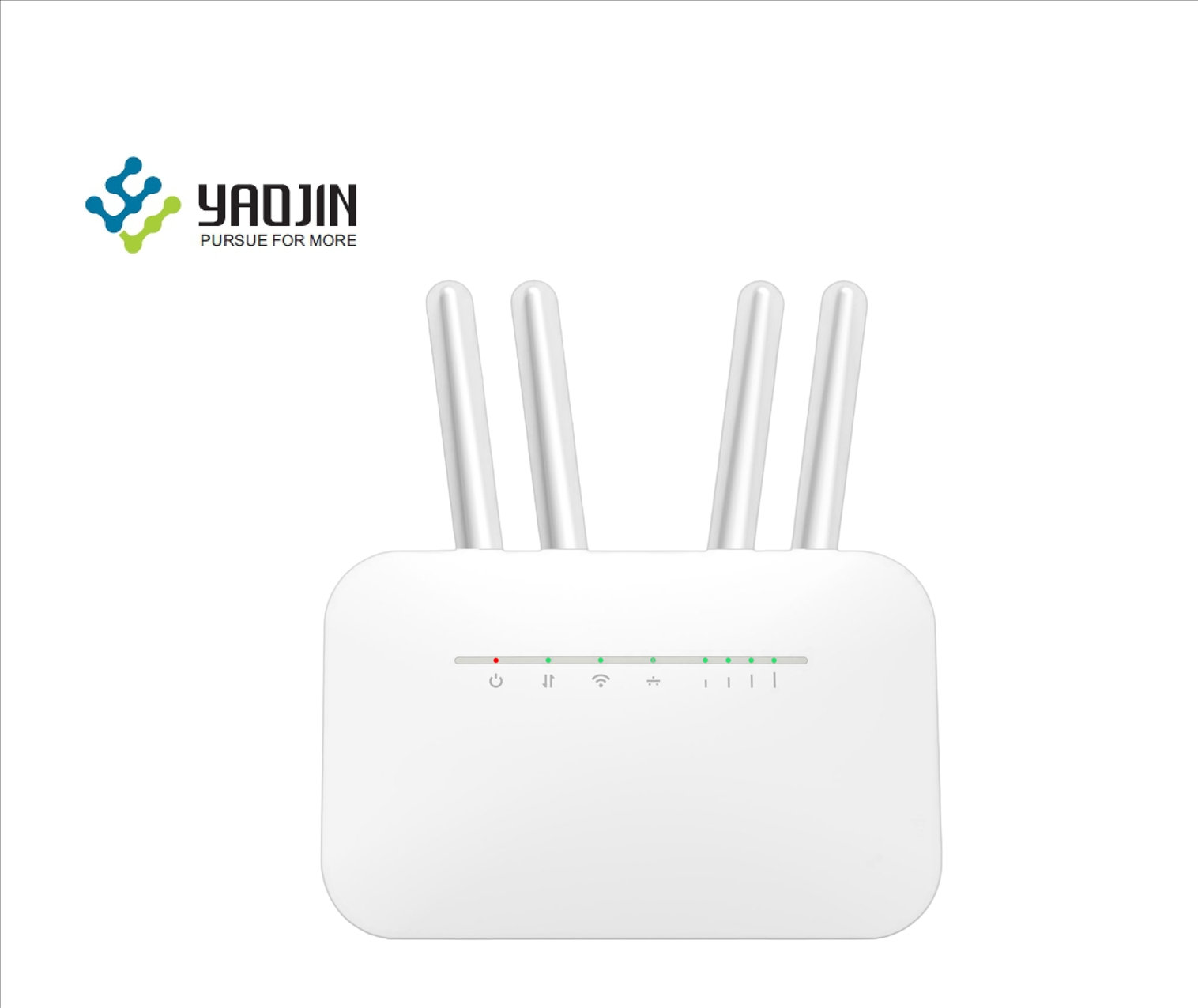
The device is equipped with four external antennas. Antenna configuration is one factor in wireless communication, but it does not guarantee a particular coverage area or data rate. Placement, walls, interference, signal quality, and the network environment all influence real-world results.
Support for Multiple Wi-Fi Users
The listed model supports up to 32 Wi-Fi users. This can be relevant for households, small offices, or workspaces that need to connect several wireless devices. The practical experience of each user depends on available cellular bandwidth, concurrent activity, and the requirements of applications such as video calls or file downloads.
Ethernet and 12V Power Input
Two RJ45 LAN ports provide wired connectivity, while the product uses a 12V power input. The package listed on the product page includes a 12V power adapter, a network cable, a user manual, and a gift box. Confirm the exact package contents when ordering, particularly if the device is intended for a specific market or deployment.
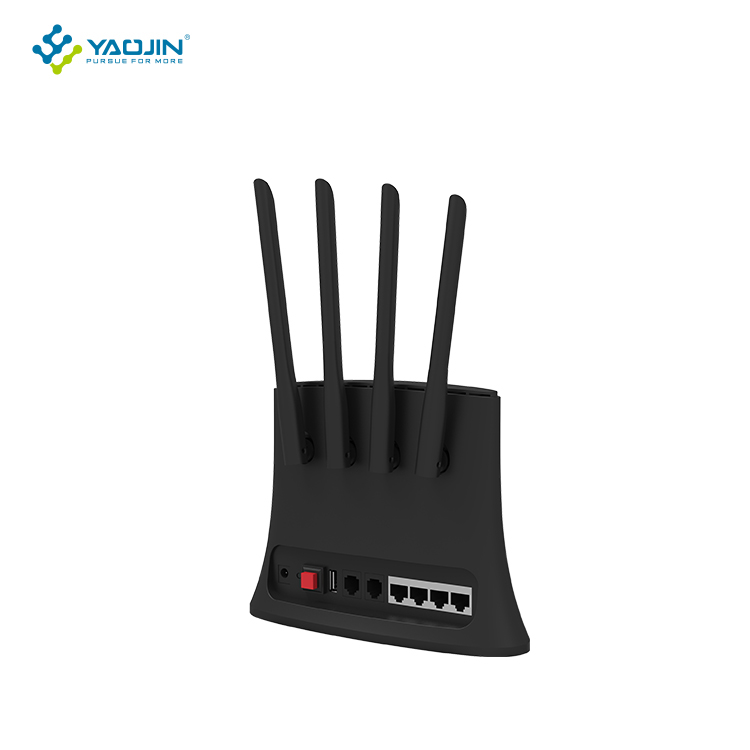
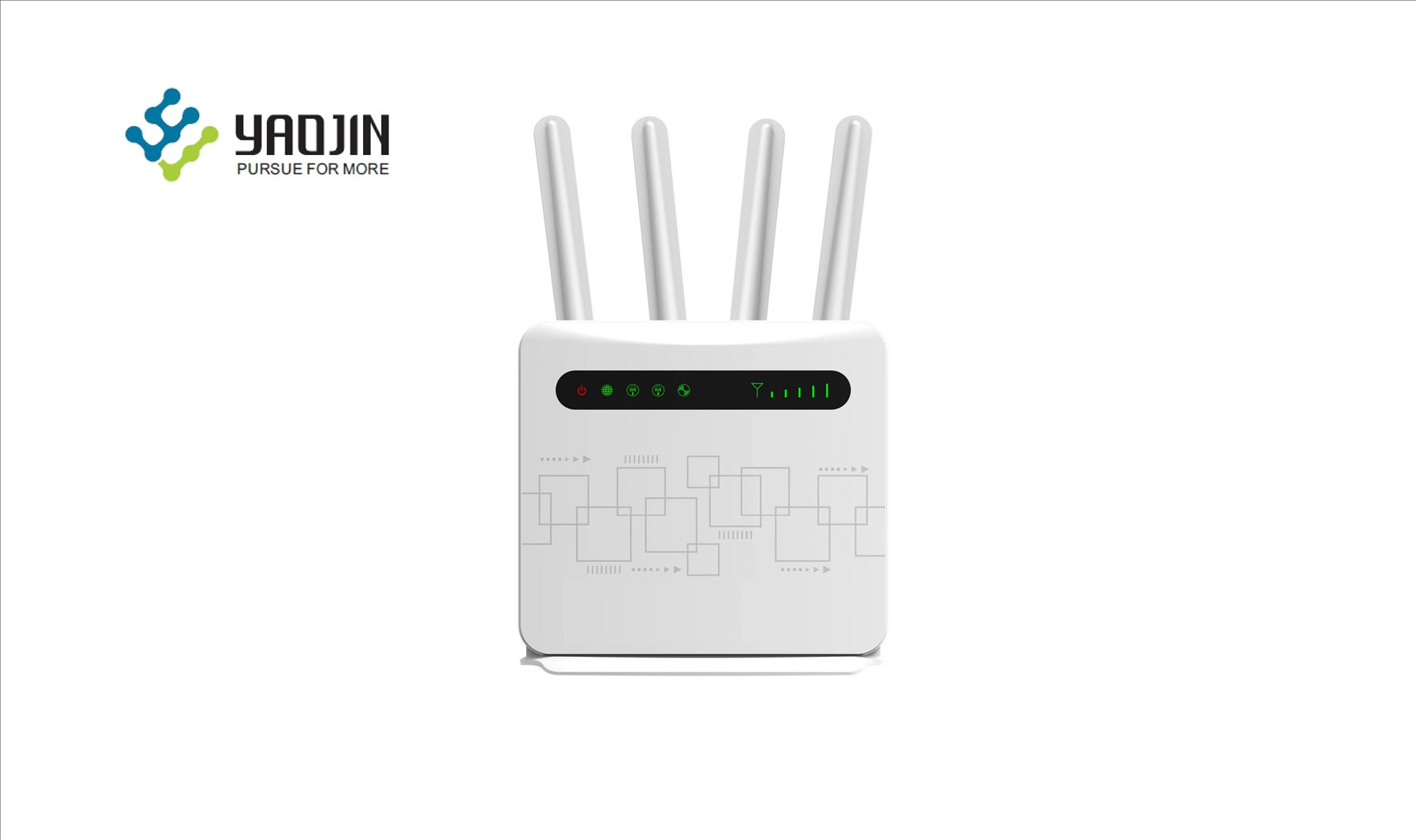
B42 B43 B48 CAT4 Indoor LTE CPE with four external antennas and wired network interfaces.
Technical Specifications
The table below summarizes the specifications published for this product. Confirm the precise supported bands and hardware configuration for the intended market before deployment.
| Parameter | Published Specification |
|---|---|
| Product name | B42 B43 B48 CAT4 Indoor LTE CPE |
| Network support | TDD-LTE / FDD-LTE |
| Chipset | Sequans chipset |
| External antennas | 4 |
| Wi-Fi users | Up to 32 |
| Wi-Fi range | 50–200 metres without obstacles, as listed by the manufacturer |
| LAN interfaces | 2 × RJ45 LAN ports |
| Power input | 12V |
| Included accessories | LTE CPE, 12V power adapter, manual, network cable, gift box |
Home and Office Applications
An indoor LTE CPE may suit a range of connectivity scenarios where compatible mobile broadband is available. The final suitability depends on local network conditions, device requirements, and the specific configuration supplied.
Home internet access: Share a compatible LTE connection with phones, laptops, tablets, and other Wi-Fi-enabled equipment.
Small offices: Provide a network connection for selected computers and wireless devices in a compact work environment.
Temporary workspaces: Consider mobile-network-based connectivity where a fixed broadband installation is not practical.
Backup connectivity: Evaluate the CPE as an alternative internet access option, provided the network and power arrangements meet business requirements.
Remote or underserved locations: Assess the device where compatible cellular service is available but wired broadband options are limited.
What to Check Before Choosing an LTE CPE
Choosing an LTE CPE involves more than comparing antenna counts or the number of supported users. The following checks help determine whether a device is suitable for the target deployment.
Verify LTE bands: Compare the device's supported frequency bands with the local carrier's network.
Check SIM and carrier requirements: Confirm SIM compatibility, network access conditions, and any carrier restrictions.
Estimate the number of users: Consider how many devices will connect and whether they will stream, browse, download, or use real-time applications simultaneously.
Plan device placement: Position the CPE where cellular reception is suitable and where wireless devices can connect effectively.
Review wired connections: Confirm whether two LAN ports are sufficient for the intended installation or if additional networking equipment is needed.
Confirm regional requirements: Check the power adapter, applicable certifications, firmware configuration, and any local operator requirements.
For customers evaluating indoor LTE connectivity products, Yaojin Technology (Shenzhen) Co., LTD. lists this CPE among its wireless networking products. Reviewing network compatibility, interface requirements, and the intended installation environment helps buyers assess whether the listed model fits their application.
Frequently Asked Questions
What is an indoor LTE CPE?
An indoor LTE CPE is customer premises equipment that connects to a compatible cellular network and shares internet access with local devices through Wi-Fi or wired network interfaces.
How many Wi-Fi users does this model support?
The product page lists support for up to 32 Wi-Fi users. Actual performance depends on the available cellular connection, concurrent traffic, signal conditions, and connected devices.
Does this CPE support both TDD-LTE and FDD-LTE?
Yes. The listed product description states support for TDD-LTE and FDD-LTE. Confirm the specific frequency bands required by the intended network before purchasing.
How many Ethernet ports are included?
The published specifications list two RJ45 LAN ports for connecting compatible wired network devices.
What power supply does the device use?
The listed power input is 12V, and the package description includes a 12V power adapter. Confirm the adapter specification supplied with the order.
Is the advertised Wi-Fi range guaranteed in every building?
No. The listed range of 50–200 metres is specified for an unobstructed environment. Walls, interference, device placement, and local radio conditions can reduce actual indoor coverage.
Looking for an Indoor LTE CPE for Your Network?
Confirm your target LTE bands, number of connected devices, and interface requirements to identify a suitable configuration.
Contact Us